70 Amazing Sakura Facts: The Ultimate Guide to Japan’s Cherry Blossoms
70 Amazing Sakura Facts: The Ultimate Guide to Japan’s Cherry Blossoms
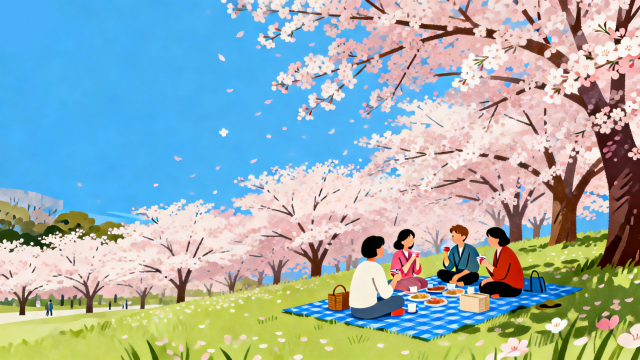
Hanami, or cherry blossom viewing, is the heart of spring in Japan. While admiring the pink petals is a national pastime, these flowers hold many surprising secrets. We’ve compiled 70 fascinating facts—from scientific wonders to ancient legends—to make your next Hanami experience even more meaningful!
【For Kids & Beginners】The Mystery of Sakura and the 3-Color Dango
1. Are Sakura Trees “Identical Twins”?
Most “Somei-Yoshino” trees in Japan are actually clones created by grafting. They all originated from a single tree, which is why trees in the same area bloom and fall in perfect synchronization.
2. The Secret Meaning of the 3-Color Dango
The pink represents spring (blossoms), white represents winter (snow), and green represents summer (lush leaves). There is no color for autumn, which is a Japanese pun: “Aki-nai” (No Autumn) sounds like “Aki-nai” (Never getting tired of the taste)!
3. The God of the Rice Fields
Ancient people believed a deity named “Sa” sat on a pedestal “Kura.” This is said to be the origin of the word “Sakura.” Hanami was originally a ritual to share a meal with the gods for a good harvest.
4. How Many Petals?
While the standard Somei-Yoshino has 5 petals, “Yae-zakura” (double-layered cherry blossoms) can have 10, 20, or even over 100 petals on a single flower!
5. Why No Thorns?
Unlike roses, Sakura trees have no thorns. Instead, they have very tough bark to protect themselves. However, they are sensitive to infections, so never break a branch or climb the tree!
6. Leaves Are “Late Arrivals”
In the Somei-Yoshino variety, the flowers bloom first, and the leaves only appear after the petals fall. It’s as if the leaves are waiting their turn to let the flowers shine.
7. How Long Do They Live?
Somei-Yoshino trees typically live 60 to 80 years—similar to a human lifespan. However, some ancient wild species in Japan are over 1,000 years old!
8. Salty Sakura Tea
“Sakurayu” (salted blossom tea) is served at weddings and celebrations. Since green tea is sometimes associated with “clouding the tea” (uncertainty), the clear and blooming Sakura tea is preferred for good luck.
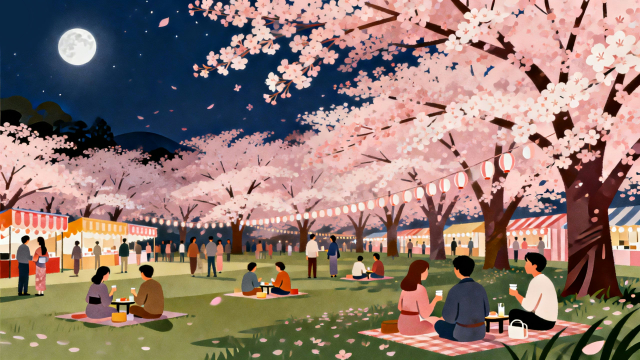
9. Why We Have Picnics Under the Trees
People used to believe that falling petals were a sign of the gods descending. Eating under the trees was a way to soak up the divine energy for the coming year.
10. Buds are Pinker Than Flowers
The pink color is most intense when the Sakura are still in “buds.” Once they bloom fully, the color lightens. Don’t miss the beautiful deep pink of the pre-bloom stage!
【For Adults】Impress Your Friends at Your Next Hanami Party
11. Plum Blossoms Were Once the Star
In the 8th century, “flower viewing” referred to Plum blossoms (Ume). It wasn’t until the Heian period that Sakura became the symbolic flower of Japan.
12. “Dumplings Over Flowers” (Hana yori Dango)
This famous proverb about preferring substance over style has historical roots. During the Edo period, people spent fortunes on lavish lunch boxes to show off—essentially the original “Instagrammable” competition!
13. Why No Cherries on Somei-Yoshino?
Because they are ornamental clones, Somei-Yoshino put all their energy into the beauty of the blossoms. They rarely produce fruit, and even if they do, they are small and bitter.
14. The “Standard Tree” of Tokyo
The official start of the cherry blossom season in Tokyo is determined by a single “Standard Tree” located at Yasukuni Shrine. When 5-6 flowers bloom on this specific tree, the city officially enters spring.
15. Petals are Actually “Almost White”
Individual petals are nearly white. They look pink due to light scattering and the reflection of the dark red sepals at the base. It’s a trick of the light!
16. The Science of Night Sakura (Yozakura)
At night, our eyes use “rod cells” which don’t detect color well. This makes the blossoms look like they are glowing with a brilliant, ghostly white light.
17. The World’s Largest Parade is in the USA
The National Cherry Blossom Festival in Washington, D.C., attracts over 1.5 million people, celebrating the trees gifted by Japan over 100 years ago.
18. Edo Period “Sakura Police”
In the Edo period, rules were so strict that excessive partying or even “extravagant costumes” were sometimes banned under the cherry trees!
19. Space Sakura
Cherry seeds that were sent to the International Space Station and returned to Earth bloomed in just 4 years instead of the usual 10. The space environment somehow accelerated their growth.
20. The “Aromatherapy” of the Trees
Sakura release “Phytoncides,” natural compounds that have a relaxing effect on humans. Napping under a tree is scientifically proven to be therapeutic!
30. Witch’s Broom Disease
Sometimes branches grow in a dense, broom-like cluster. While it looks like many flowers, it’s actually a sign the tree is sick. In business, beware of “growth” that is actually a symptom of a deeper problem.
【Interesting & Quirky】Bizarre Facts You Didn’t Know
31. Sakura Leaves Have a “Defense System”
The scent of Sakura mochi comes from “Coumarin,” a substance that prevents other plants from growing nearby. Sakura are surprisingly territorial!
33. Fix Your “Tech Neck” (PT Perspective)
Looking up at the blossoms is the perfect counter-stretch for “smartphone neck.” It stretches the suboccipital muscles and provides a natural form of physical therapy.
38. They Can’t Reproduce Alone
Since Somei-Yoshino are clones, they cannot self-pollinate. Without human intervention and grafting, this beautiful species would eventually disappear.
42. The “Heart” Shape
The split at the tip of the petal isn’t just for looks—it’s a structural design that allows the petal to unfold efficiently from the bud.
45. As Fast as a Walk
The “Sakura Front” (the line of blooming trees) moves north at about 2km/h. This is roughly the speed of a person taking a leisurely stroll through spring.
70. Longer-Lasting Relationships?
Psychologically, sharing the “high” of the beautiful blossoms can increase intimacy. Hanami dates are highly recommended for couples!
Want to test your knowledge?
Take the Sakura Quiz here!
Hanami is the perfect form of “rehabilitation” for your body and mind.
Stroll through the park to strengthen your legs and look up to cure your “Tech Neck.”
Guided by Professional Physical Therapists: Improve your health while enjoying the blossoms!

Would you like to take a look at some other seasonal trivia?

This article is also popular.


Would you like to watch quizzes from other seasons?